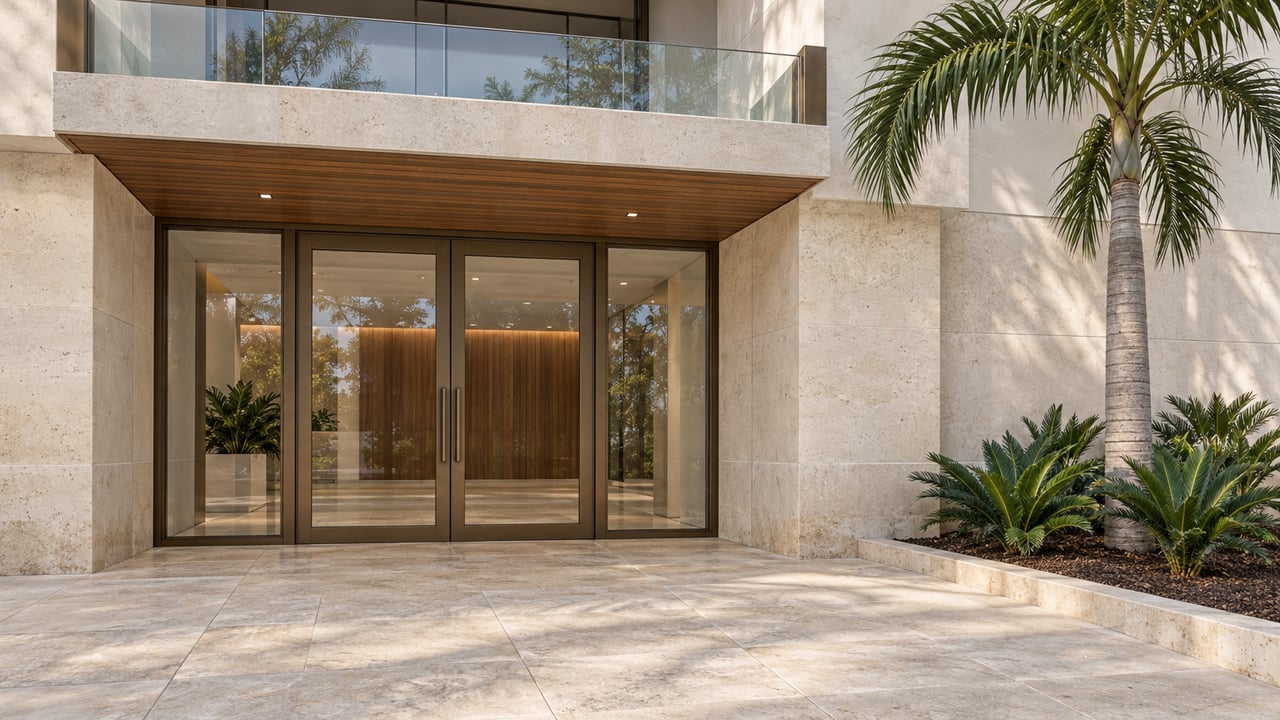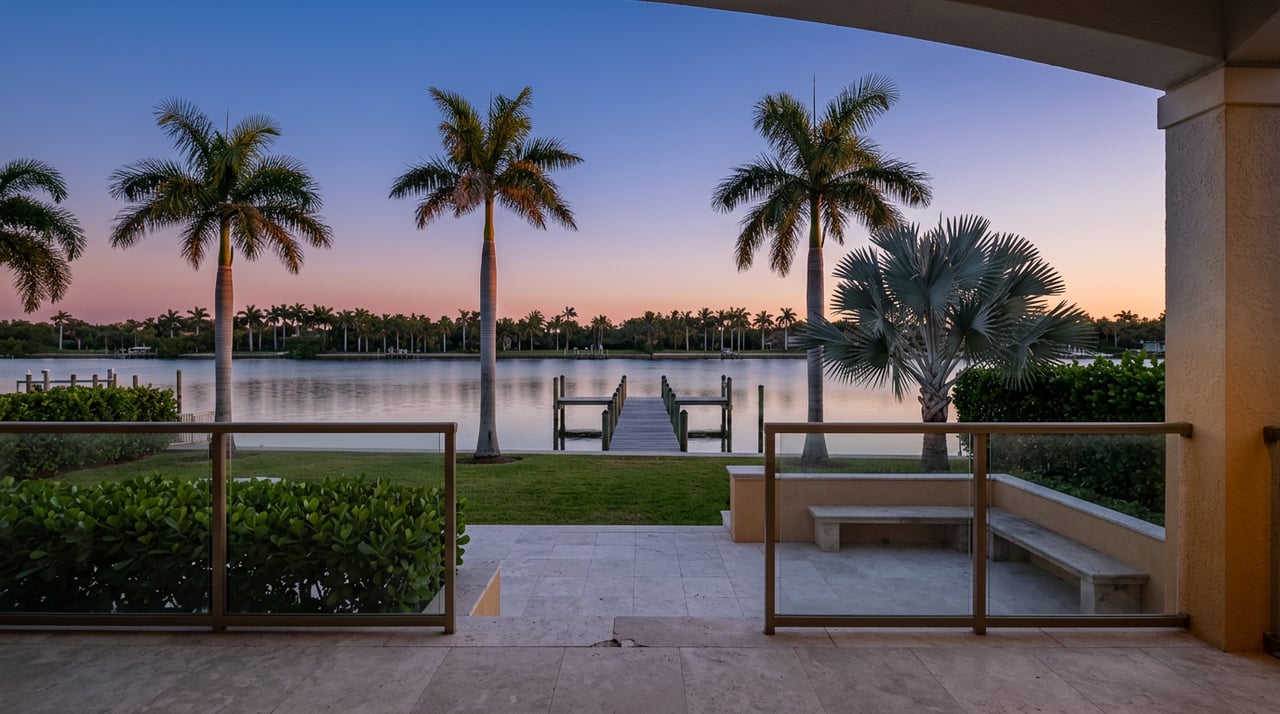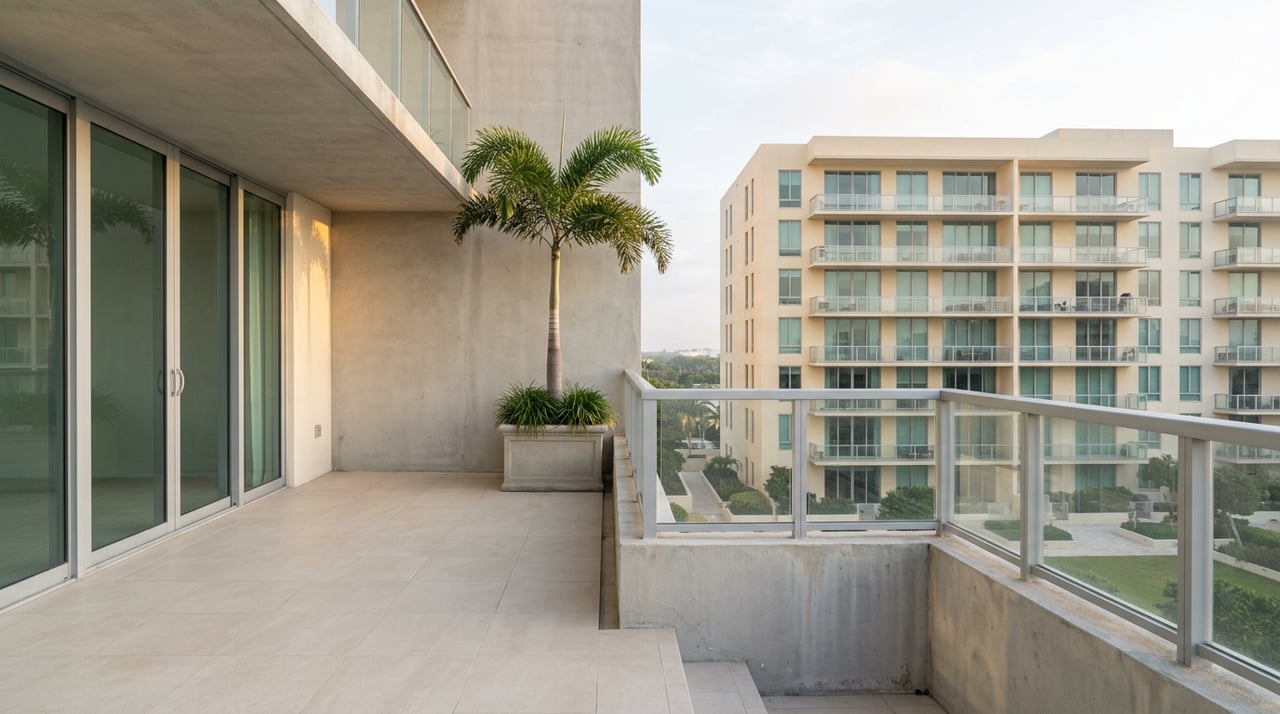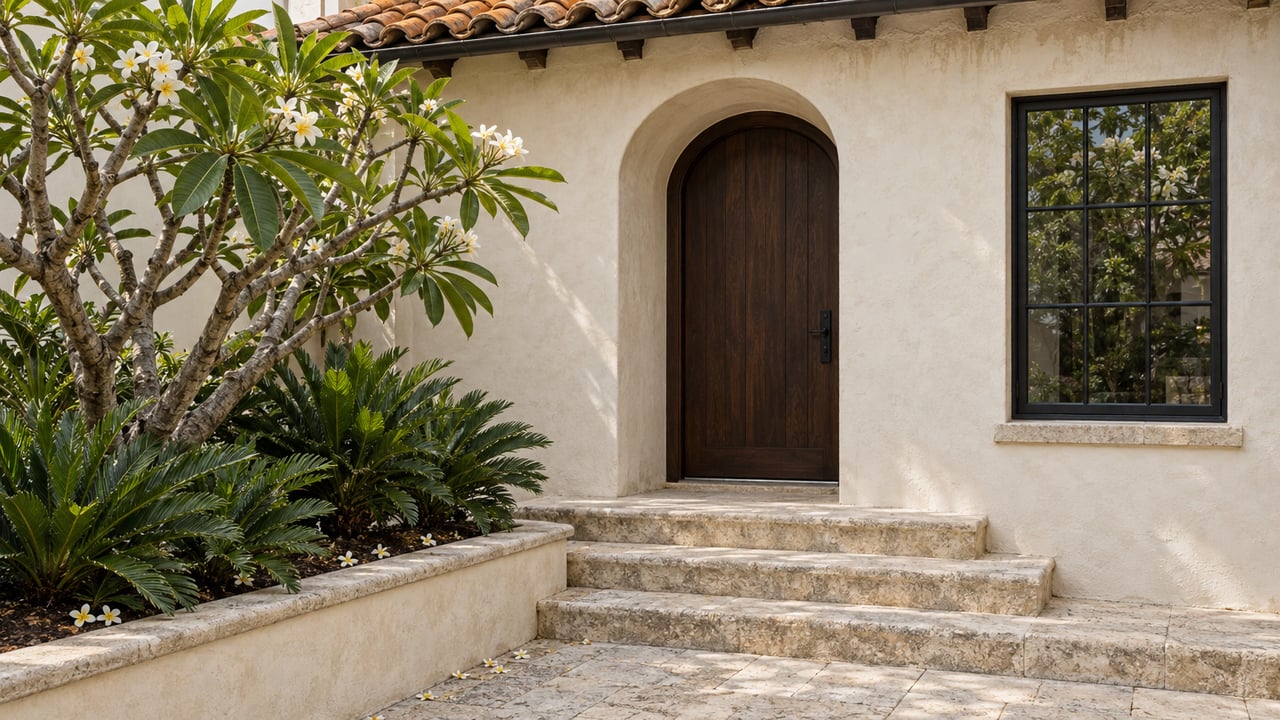
Selling a house in one of Delray Beach's five historic districts starts with a call to a city planner, not a call to a photographer. Before a listing photo gets taken, before a buyer's inspector shows up, the exterior of that house may already answer to a Certificate of Appropriateness from the city's Historic Preservation Board. That approval, not the buyer's financing contingency, is often what actually sets the pace of the sale.
Delray Beach has five districts on its Local Register of Historic Places: Old School Square, Del-Ida Park, Marina, Nassau Park, and West Settlers. Two of the five are also listed on the National Register of Historic Places, which opens the door to federal rehabilitation tax credits on top of the city's own incentives. Each district carries its own architectural character and its own version of the same rule: touch the exterior of a contributing structure, and the city has a say before you do.
Five districts, one recurring gate
| District | Period / Origin | Architectural Character | Scale |
|---|---|---|---|
| Old School Square | Period of significance 1898-1943; rezoned for mixed use in 1990 | Pre-World War I and II vernacular styles, anchored by Old School Square and the Sundy House | 15 blocks, 176 structures, 101 contributing |
| Del-Ida Park | Platted 1923 | Mediterranean Revival and Craftsman Bungalow, laid out on a diagonal street pattern | 58 acres, 151 structures, 47 contributing |
| Marina | Built around the City Marina on the Intracoastal Waterway | Streamline Moderne, Colonial Revival, Mediterranean Revival, and Bungalow | Narrow, shaded, pedestrian-oriented streets |
| Nassau Park | Period of significance 1935-1943 | Cape Cod Colonial Revival cottages | 17 structures, the only district east of the Intracoastal |
| West Settlers | Structures dated 1895-1920 | Tied to the city's pioneering African-American families, including a school, three churches, and a Masonic Lodge | 53 structures, 23 with historic status |
The city also maintains 26 individually designated historic properties that sit outside any of these five boundaries, from residences to churches to a bridge, and the same review rules apply to them.
What actually triggers the review
A structure earns "contributing" status in Delray Beach once it is at least fifty years old and carries historical significance, architectural merit, or an association with a notable person or event. That threshold is not static. A district's boundary rarely changes, but the roster of houses inside it that count as contributing does, because the fifty-year clock keeps running. A house built in the mid-1970s inside Del-Ida Park or Marina is aging into contributing status this decade, often right as the owner who built or bought it new starts thinking about selling.
Once a structure is contributing, exterior changes go through the Historic Preservation Board, a seven-member panel appointed by the City Commission and created by the 1987 preservation ordinance. Demolition of a structure inside a historic district, contributing or not, requires the Board to approve a Certificate of Appropriateness before a building permit can be issued. So does a new opening on a front facade, a roofline change, or a visible porch alteration. Even a change to the exterior paint color requires a Certificate of Appropriateness application along with a Building Materials and Color Sample Form, since the city treats paint as part of what defines the character of the district, not a cosmetic afterthought.
None of this touches what happens inside the house. Interior renovations generally move through the standard building permit process without triggering historic review. The friction lives specifically in anything visible from the street or affecting the building's protected form.
The second clock in the Marina District
Marina Historic District sits along the Intracoastal Waterway, and a large share of its parcels fall inside FEMA Special Flood Hazard Areas. That creates a second review layer that has nothing to do with the Historic Preservation Board and everything to do with the Florida Building Code's flood provisions.
If a renovation's cost crosses a specified threshold measured against the home's pre-damage market value, the project becomes a "substantial improvement," which can require elevating the structure or raising utilities and mechanical systems above the Base Flood Elevation. A seller planning exterior work in the Marina District is effectively coordinating two separate approvals at once: a Certificate of Appropriateness that governs whether the change respects the historic character, and a flood compliance review that governs whether the same change is even structurally permitted in place. Pulling a flood zone determination and an elevation certificate before finalizing any renovation plan is the step that keeps those two processes from colliding mid-project.
Many of the district's older homes also predate 1978, which means any work disturbing painted surfaces falls under the EPA's Renovation, Repair, and Painting rule and needs an RRP-certified contractor. It is one more document a seller's contractor should already have in hand before drawings go to the city.
What the paperwork costs, and what offsets it
Historic renovations in Delray Beach tend to run higher per square foot than a standard remodel, largely because of the specialized craftsmanship and documentation the review process demands. A contingency in the range of 15 to 30 percent is a reasonable planning number for anything that touches an exterior wall, roofline, or opening on a contributing structure.
The city offers a Historic Property Ad Valorem Tax Exemption to help offset the cost of qualifying improvements, and properties within a Nationally Listed district or individually listed on the National Register may also qualify for a federal tax credit covering 20 percent of rehabilitation costs on non-owner-occupied properties. Neither offset appears automatically. A seller who assumes the market will simply absorb restoration costs at resale is leaving money on the table that a short conversation with the city's historic preservation staff could recover.
A pre-listing checklist
- Confirm designation status first. Find out whether the home is a contributing structure inside one of the five districts, individually listed, or not designated at all, since the answer changes everything downstream.
- Schedule a pre-application meeting with the city's Historic Preservation or Planning staff before finalizing any exterior repair, repaint, or replacement.
- Pull a flood zone determination and elevation certificate early if the property sits in the Marina District or any other Special Flood Hazard Area.
- Confirm the contractor is RRP-certified if the home predates 1978.
- Ask the city about the ad valorem exemption and, if applicable, the federal rehabilitation tax credit before spending on restoration work you may be able to partially recover.
- Budget a 15 to 30 percent contingency for hidden conditions once walls, siding, or roofing are opened up.
FAQ
Does the Certificate of Appropriateness apply to interior work? Generally no. The review is triggered by changes visible from the exterior, additions, and demolition. Interior renovations typically follow the standard building permit process.
What if my home isn't in one of the five districts? Delray Beach also maintains 26 individually designated historic properties outside district boundaries, and the same Certificate of Appropriateness process applies to them.
Does the flood elevation rule only affect the Marina District? The Special Flood Hazard Area designation is tied to the parcel, not the historic district label, but a large share of Marina District properties happen to fall inside those zones given their proximity to the Intracoastal Waterway.
Should a buyer ask about this before making an offer? Yes. A buyer touring a contributing structure benefits from asking whether any exterior work is pending Historic Preservation Board review, since an approval already in progress can shorten the timeline on a planned renovation after closing.
If you are weighing a sale in one of Delray Beach's historic districts, or trying to figure out what a Certificate of Appropriateness means for your specific renovation timeline, Tayse Dantas can walk through the sequence with you before you spend a dollar on exterior work.